
Calm in the Fire
Shohei Ohtani and Staying Cool Under Pressure

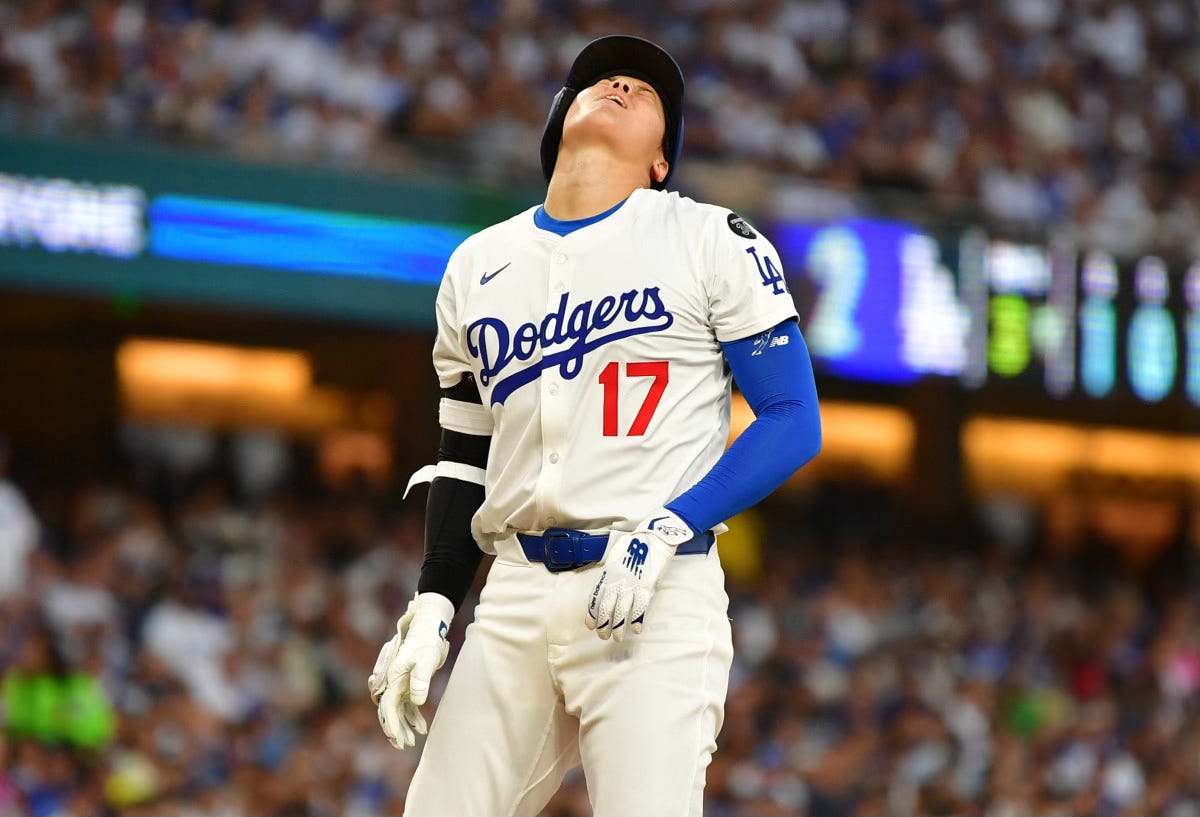
Baseball superstar Shohei Ohtani was struck deliberately in a game last week by a 100 mph fastball, in retaliation to an opposition player also being hit by a pitch. This would have ignited into a brawl 99 out of 100 times, but Ohtani diffused the situation by doing something quite extraordinary.
He waved off his own dugout, refusing to escalate, then calmly walked over and talked it out with the other team’s bench. This was a very cool example of how someone can regulate their emotions under intense pressure, refusing to be pulled into the surrounding tension.
The neuroscience of staying clear
There’s a reason so few people could/can do what Ohtani did. Pressure is something that tests your biology as well as your character. You see the human brain’s primary function is survival. Under threat (whether physical or social), the brain floods the body with stress hormones like cortisol and adrenaline. Our heart rate climbs, our breathing shortens, and our muscles tighten as we prepare for conflict or escape. And then in addition to this, maybe even more critically, the very part of the brain responsible for deliberate thought (the prefrontal cortex) begins to go offline. This is the seat of rational analysis, impulse control, working memory and creative problem solving. Under threat, its functions are seized by older, faster circuits designed only to react…..fight, flight, or freeze. This is why in high stakes moments people often say that they couldn’t think straight. Because in a deep biological sense, they couldn’t.
Regulating emotion leads to to peak performance
What Ohtani displayed the other night was a control and mastery over his neurobiology. He regulated his emotional response and kept his prefrontal cortex online. He chose his actions deliberately, rather than being swept away by the primal tide of adrenaline. This is one of the foundational pillars of elite performance in any domain. When you cannot regulate your emotions, you simply cannot think clearly. When your thinking collapses, your decisions follow.
Training for calm under fire
Science shows us that emotional regulation is something we can train. For example, meditation and mindfulness are practices that can reshape the brain. They increase the connectivity between the prefrontal cortex and the emotional centres of the brain. They build the capacity to observe emotion without being consumed by it. They reduce baseline levels of stress hormones. Even modest daily practice changes how the brain reacts under pressure.
Slowing things down
You can also deliberately slow things down. Speed is seductive in high pressure moments. But it’s often fatal to good judgment. Research shows that slowing your response reduces cognitive overload, keeps working memory intact, and it preserves flexible and creative thinking. This might be as simple as taking a single breath before responding, asking for a brief pause, or sleeping on a major decision. Slow is smooth, then smooth becomes fast.
Preserving your capacity to choose
When Ohtani waved off his dugout and refused to escalate, he was preserving his capacity to choose rather than merely reacting. That’s the essence of true mental toughness. Mastering our emotions rather than eliminating them. The ability to remain clear eyed when tensions run high and things are spinning out of control. The discipline to stay connected to your values, your purpose and your long term objectives. After being hit Ohtani remained calm and unshaken, not because he felt no fear or anger, but because he kept his mind open and his options intact. This is the same choice available to every human being under pressure. The choice to pause, to breathe, and to remain in command of your own mind.
This is a really great example of how sometimes the greatest show of strength is refusing to let pressure and conflict decide who you are.
This is excellent and I'll be using this example with my team!! Thanks!